Introduction
In the competitive world of manufacturing and logistics, businesses are always on the lookout for opportunities that combine strategic growth with financial efficiency. One such opportunity lies in investing in industrial plots for sale. Not only do these plots provide the foundation for operational expansion, but they also come with a range of tax benefits that can significantly reduce a company’s financial burden.
Understanding how tax advantages work—and how they are tied to industrial land—can help businesses maximize returns while minimizing liabilities. Let’s explore how industrial land investment and taxation go hand in hand, and why this could be a smart move for your business.
Why Industrial Land Matters Today
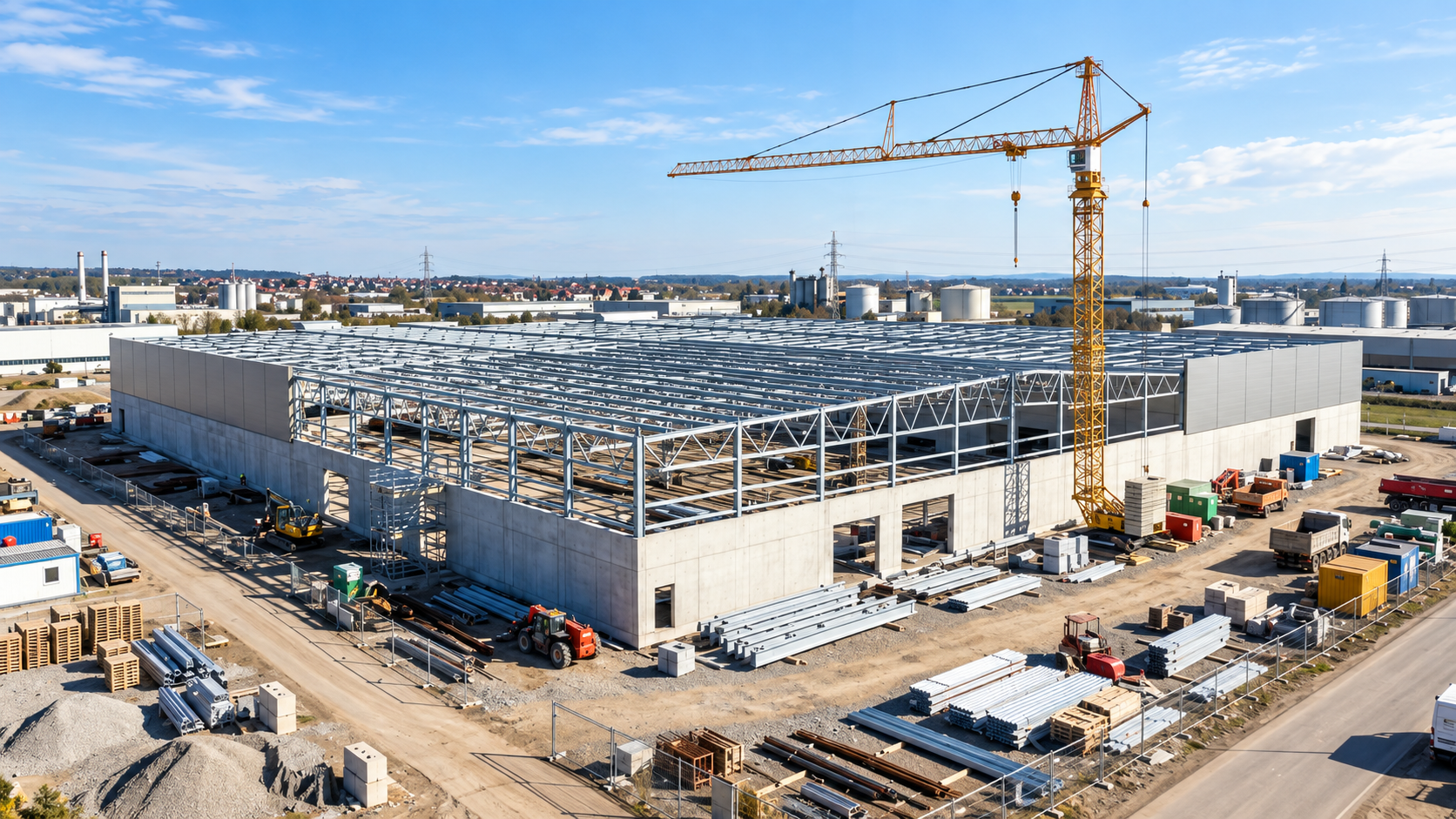
The Indian government’s push for manufacturing-led economic growth has led to the creation of dedicated zones like Special Economic Zones (SEZs), Industrial Corridors, and industrial parks. These are designed to streamline infrastructure, reduce bureaucratic hurdles, and provide tax incentives to businesses that choose to operate from these zones.
As a result, many of the industrial plots for sale today are situated within or near such zones, making them even more attractive for growing businesses.
Tax Benefits of Investing in Industrial Parks
- Capital Investment Deductions
One of the most compelling reasons to invest in an industrial park is the opportunity to claim deductions for capital expenditure. Under Section 35AD of the Income Tax Act, businesses engaged in specified industrial activities can claim 100% deductions on capital expenses incurred in building and operating a facility.
This includes the cost of purchasing land, constructing buildings, and installing machinery. However, these deductions are often applicable only to businesses that are part of a government-approved industrial zone or park
- Accelerated Depreciation
Businesses operating from a registered industrial park may also benefit from accelerated depreciation under the Income Tax Act. This allows companies to recover capital investment quickly by claiming higher depreciation rates on assets such as machinery and equipment.
Accelerated depreciation reduces taxable income in the early years of operation, freeing up cash flow for reinvestment or operational use.
- GST Input Credit on Infrastructure Development
Another significant benefit is the eligibility for Input Tax Credit (ITC) under the Goods and Services Tax (GST) framework. When setting up infrastructure in an industrial plot within an industrial park, businesses can claim credit for the GST paid on construction materials, services, and equipment.
While ITC on immovable property (like building construction) is generally restricted, exceptions apply when the property is used for further taxable output services or if special conditions are met. It’s essential to consult a GST expert to structure your investment for optimal benefits.
- State-specific Tax Concessions
Apart from central government incentives, many states offer their own tax benefits to attract industries to their industrial parks. These often include:
- Stamp duty exemptions
- Electricity duty waivers
- Subsidies on power tariffs
- Property tax rebates
- Exemptions on entry tax or purchase tax
These benefits vary from state to state, and in some cases, are targeted toward specific sectors like textiles, food processing, or renewable energy. Businesses should research the incentives specific to the region before selecting a plot
- SEZ and Export-oriented Units (EOUs)
Some industrial plots are located within Special Economic Zones (SEZs) or designated Export Promotion Industrial Parks (EPIPs), which offer the most extensive tax benefits. Units operating within SEZs can avail:
- 100% income tax exemption on export income for the first five years (Section 10AA)
- Exemption of duty on import of capital goods and raw materials
- Exemption from central sales tax, service tax, and other indirect taxes
While SEZ compliance can be strict, the benefits are often worth the effort for export-heavy businesses.
Important Considerations Before Investing
While the tax benefits are promising, investing in industrial plots within an industrial park should be a well-planned decision. Key factors to be considered:
- Classification and Zoning
Ensure the plot is classified for industrial use and located within a designated industrial park. This is often a prerequisite for availing tax benefits.
- Regulatory Compliance
Tax benefits often come with compliance requirements, such as timelines for project completion, employment thresholds, or reporting obligations. Make sure you understand these before investing.
- Infrastructure Support
An industrial park that offers plug-and-play infrastructure like roads, sewage, water, and electricity connections can save significant setup costs and time.
- Proximity to Transportation Hubs
Location still plays a critical role. Plots close to highways, ports, or railways often fetch higher appreciation and make logistics more cost-efficient.
Conclusion
Investing in industrial plots for sale is more than just a real estate decision—it’s a strategic financial move. When aligned with the right industrial park, such an investment can unlock a range of tax advantages that support business expansion, improve cash flow, and reduce operational costs.
As India continues to encourage industrial growth through Make in India, PLI schemes, and infrastructure upgrades, industrial land backed by tax benefits offers businesses a foundation for sustained growth. Whether you’re a manufacturer, exporter, or logistics provider, the right industrial investment can make all the difference in your bottom line.