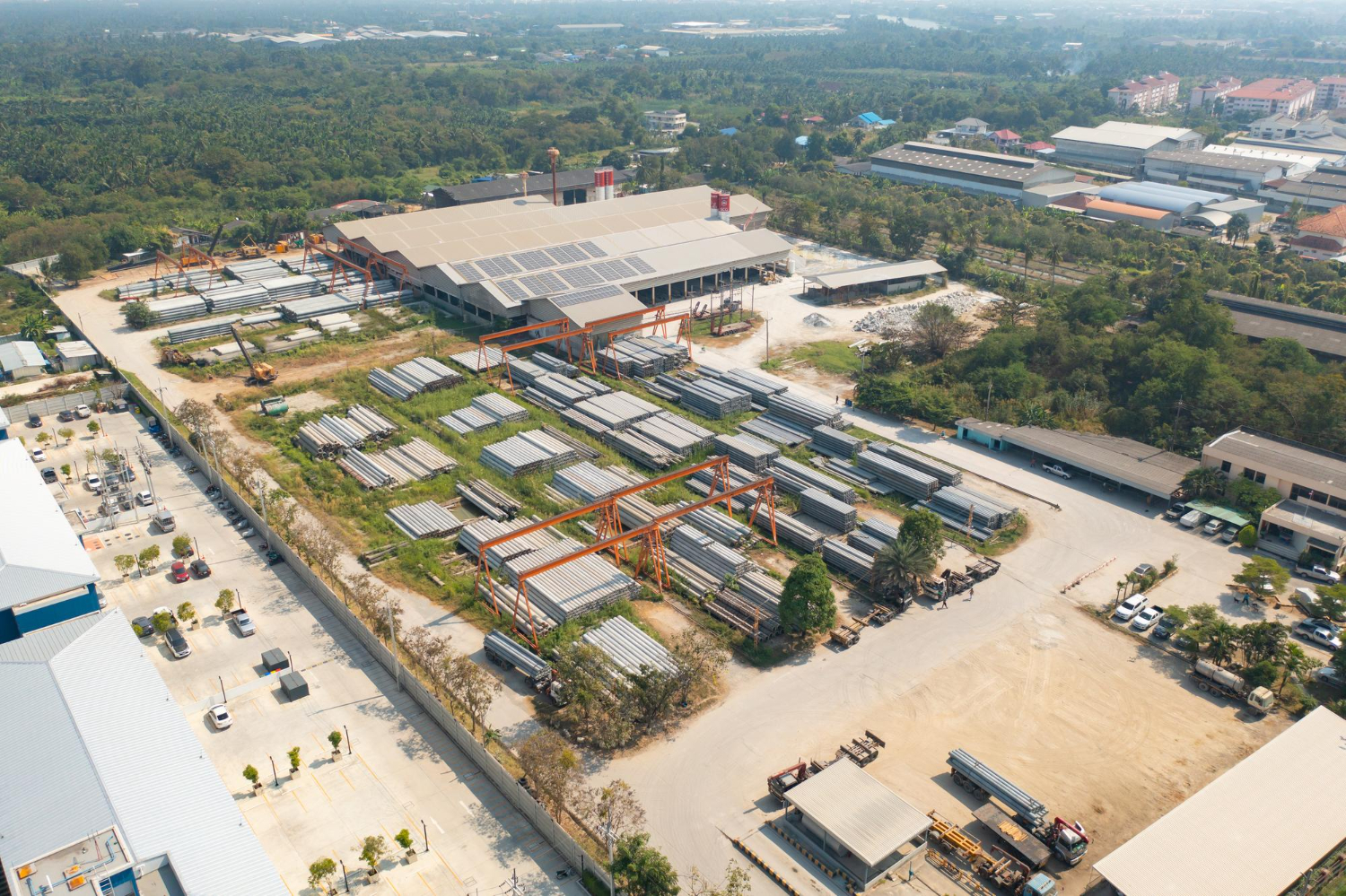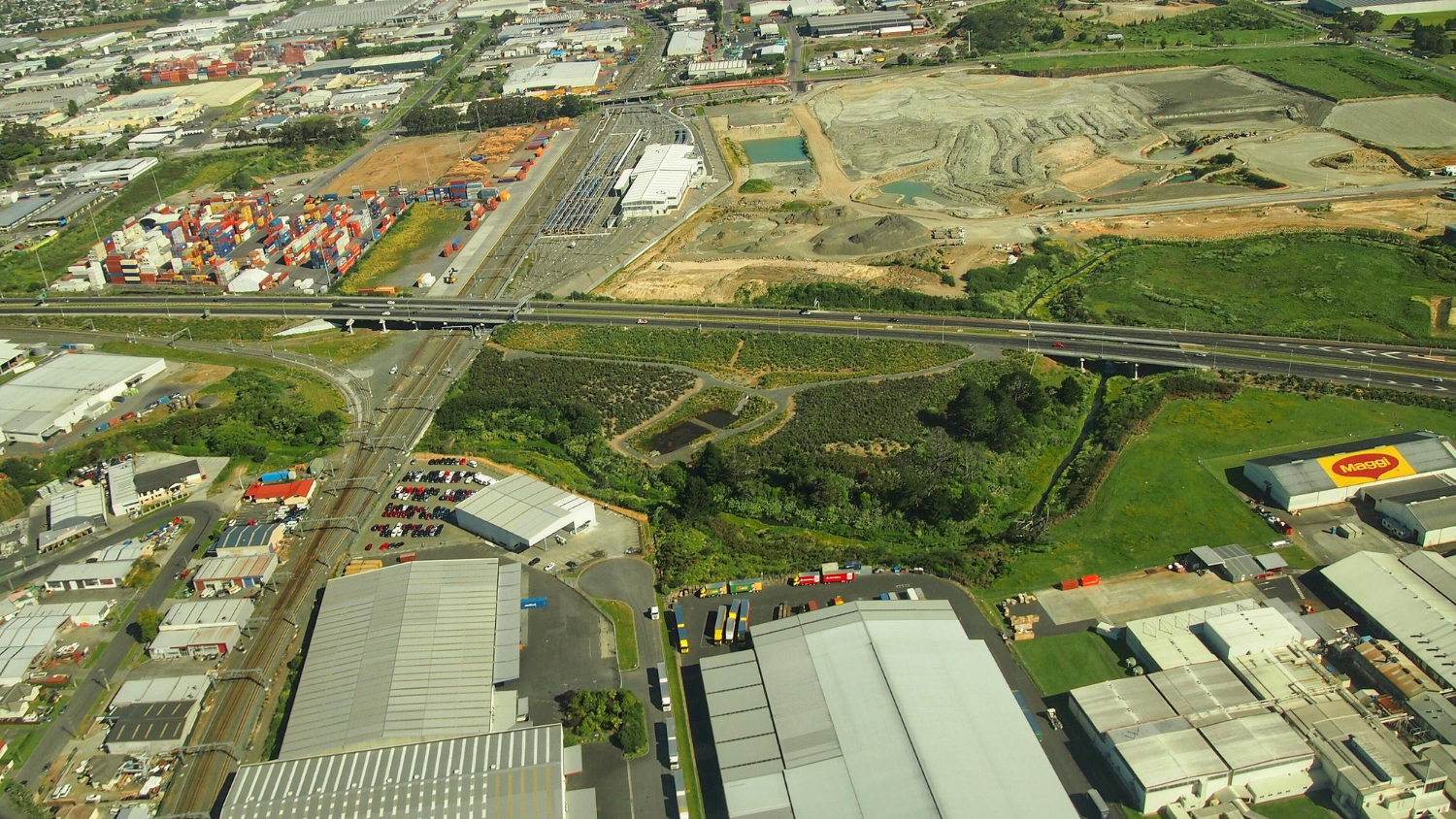
Industrial growth does not happen in isolation. It thrives in ecosystems that bring together infrastructure, connectivity, policy support, and business synergy. This is where an Industrial Logistic Park plays a transformative role. Designed to integrate manufacturing units with efficient logistics systems, these parks are becoming the backbone of modern industrial development.
As global supply chains evolve and demand faster turnaround times, businesses are increasingly looking for spaces that offer more than just land. Industrial parks provide a structured environment that supports scalability, operational efficiency, and long-term growth. In a rapidly developing economy like India, particularly in urban hubs, industrial parks are redefining how manufacturing and logistics function together.
The Concept of Industrial Parks
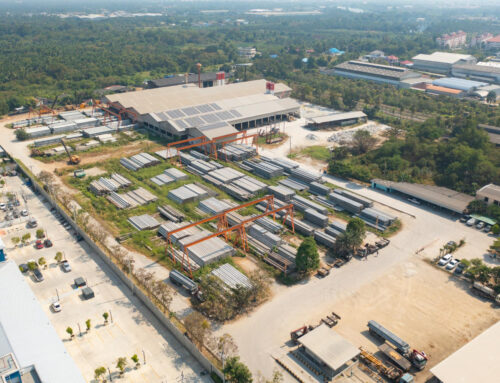
Industrial parks are planned zones developed specifically for industrial use. Unlike standalone factories or warehouses, these parks are equipped with shared infrastructure such as roads, power supply, water facilities, waste management systems, and sometimes even residential and commercial support services.
The integration of manufacturing and logistics within these parks reduces operational friction. When production units are located close to warehousing and distribution centers, businesses can streamline supply chains, reduce costs, and improve delivery timelines.
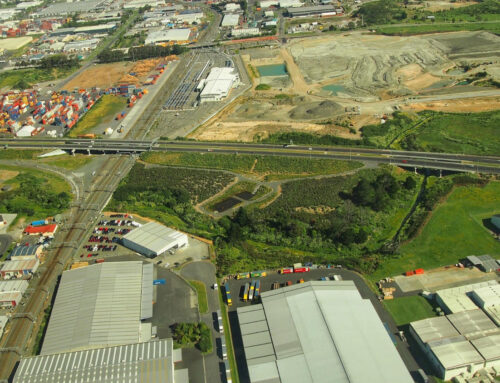
An Industrial Logistic Park goes a step further by combining industrial spaces with advanced logistics capabilities such as freight corridors, container yards, and multimodal transport access. This integrated approach ensures seamless movement of goods from production to market.
Infrastructure That Drives Efficiency
One of the most significant advantages of industrial parks is the availability of ready-to-use infrastructure. Setting up a manufacturing unit independently often involves multiple challenges, from acquiring land to arranging utilities and complying with regulations.
Industrial parks eliminate many of these hurdles by offering:
- Pre-developed land parcels
- Reliable power and water supply
- Internal road networks
- Drainage and waste management systems
- Security and maintenance services
This infrastructure allows businesses to focus on core operations rather than spending time and resources on setup.
For companies exploring Industrial Plots for Sale, parks provide a structured and compliant environment where development timelines are significantly reduced. This is especially beneficial for small and medium enterprises that may lack the resources to build infrastructure from scratch.
Strategic Location and Connectivity
Location plays a crucial role in manufacturing and logistics efficiency. Industrial parks are typically developed in areas with strong connectivity to highways, ports, rail networks, and airports.
This strategic positioning offers several benefits:
- Faster movement of raw materials and finished goods
- Reduced transportation costs
- Improved access to domestic and international markets
- Better coordination with suppliers and distributors
For example, businesses investing in Industrial Plots for Sale within well-connected regions can significantly enhance their supply chain performance. Proximity to transport hubs ensures that goods move quickly and efficiently, which is critical in today’s competitive landscape.
Sustainability and Modern Industrial Practices
Modern industrial parks are increasingly focusing on sustainability. With growing awareness of environmental impact, developers are incorporating eco-friendly practices into park design and operations.
These include:
- Rainwater harvesting systems
- Solar power integration
- Waste recycling and management
- Green building practices
- Energy-efficient infrastructure
Such initiatives not only reduce environmental impact but also help businesses comply with sustainability regulations and enhance their brand image.
Boosting Logistics Capabilities
Logistics is no longer just about transportation; it is about optimization, speed, and reliability. Industrial parks are designed to support modern logistics requirements through integrated facilities.
Features often include:
- Warehousing and distribution centers
- Cold storage facilities
- Container handling services
- Loading and unloading infrastructure
- Smart inventory management systems
An Industrial Logistic Park creates a centralized hub where all logistics activities can be managed efficiently. This reduces dependency on multiple vendors and minimizes delays caused by fragmented operations.
By bringing logistics closer to manufacturing units, these parks help businesses achieve faster turnaround times and better inventory control.
The Growing Importance of Industrial Parks in Chennai
Chennai has emerged as a major industrial and logistics hub in India. With its strong connectivity, skilled workforce, and thriving industrial base, the city offers immense opportunities for businesses. The demand for Commercial Plots in Chennai is rising as companies look to establish operations in well-developed industrial zones. Industrial parks in and around the city provide the perfect platform for businesses to grow, offering both infrastructure and strategic advantages.
Additionally, the availability of Industrial Plots for Sale within these parks makes it easier for businesses to enter the market and expand their operations without significant delays.
To sum it up
Industrial parks are reshaping the way manufacturing and logistics operate. By providing integrated infrastructure, strategic locations, and cost-effective solutions, they create an environment where businesses can thrive. An Industrial Logistic Park acts as a catalyst for growth, enabling seamless coordination between production and distribution. It reduces inefficiencies, enhances productivity, and supports scalability.
For businesses looking to invest in Commercial Plots in Chennai, industrial parks offer a compelling opportunity. With access to modern facilities and a strong industrial ecosystem, companies can position themselves for long-term success. As industries continue to evolve, the role of industrial parks will only become more significant. They are not just spaces for operations but dynamic ecosystems that drive innovation, efficiency, and economic progress.