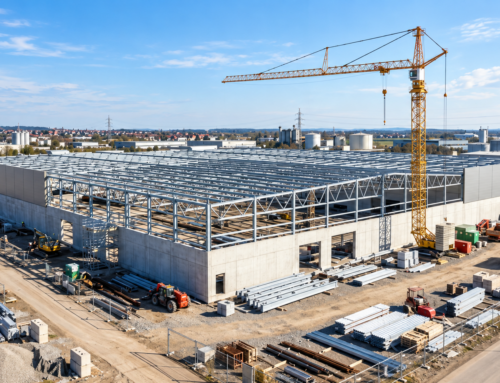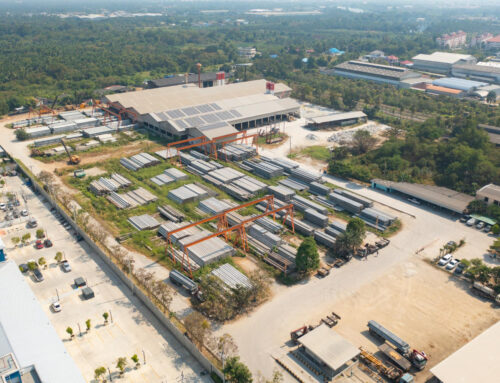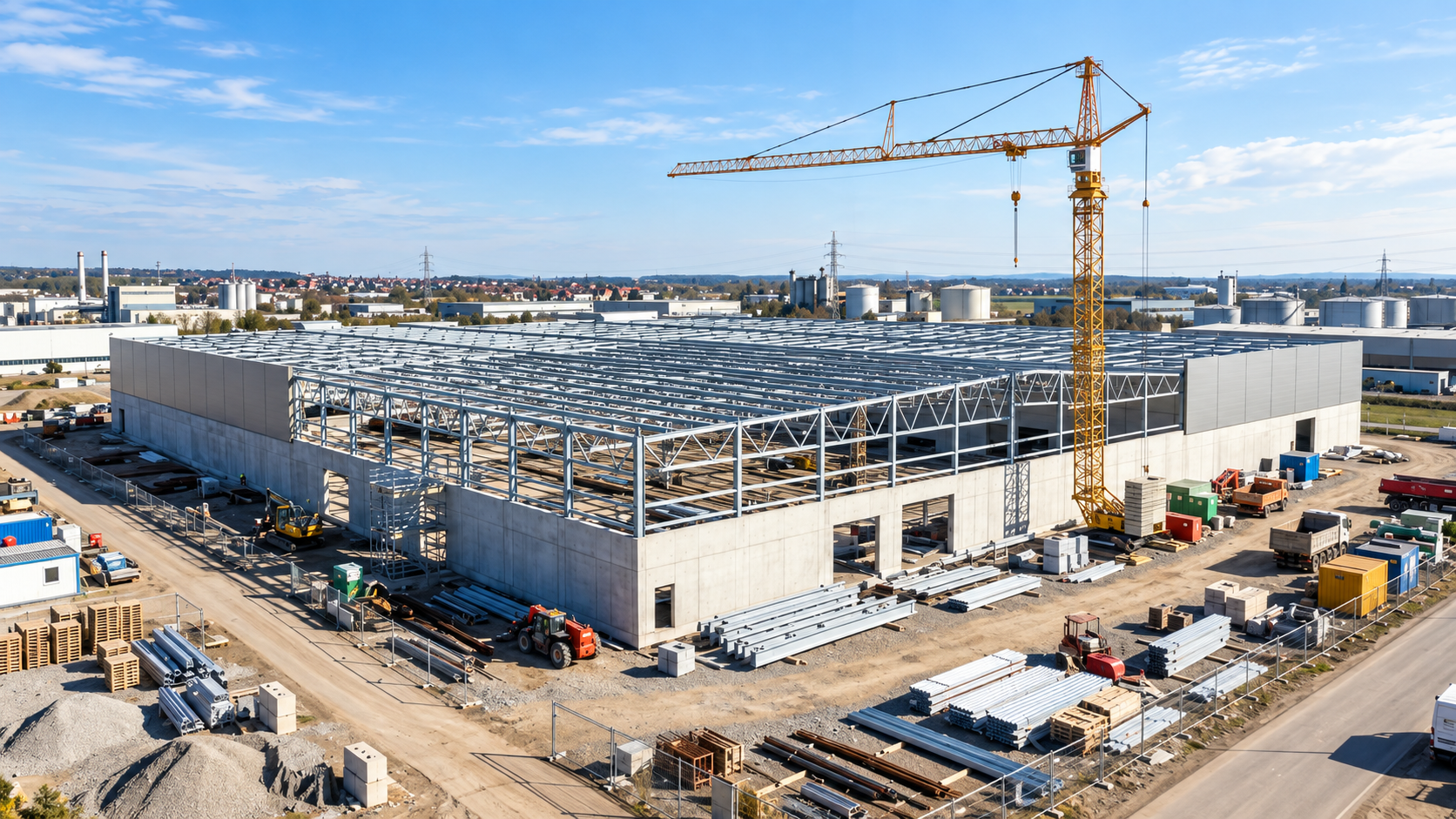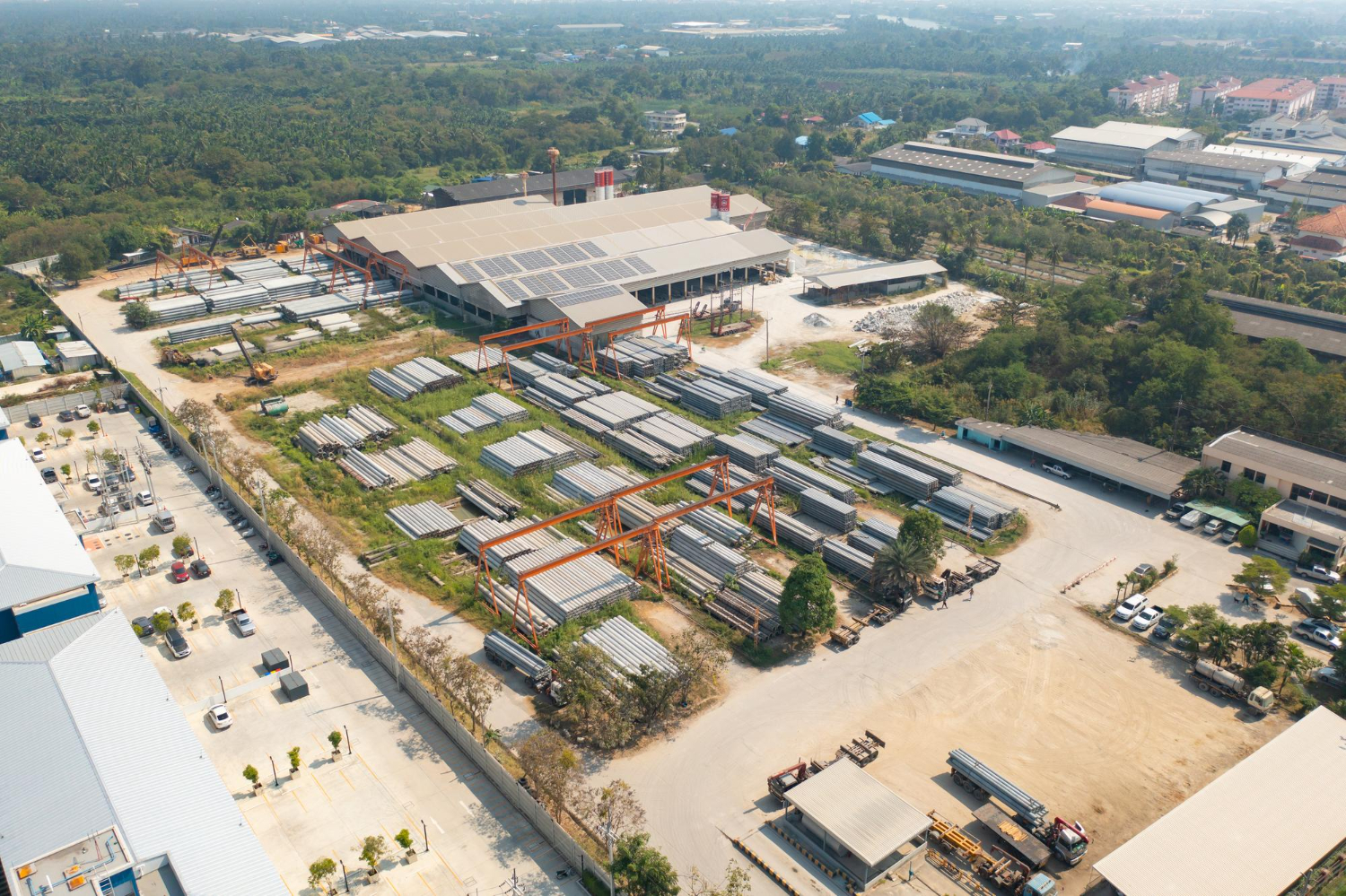
Chennai is no longer just a port city with a manufacturing past — it’s becoming the logistics backbone of South India. And the smartest operators in the sector are no longer just leasing space here. They’re buying land. The demand for industrial land for sale in Chennai from logistics-first businesses has surged over the last three years, driven by a combination of infrastructure investment, MNC cluster density, and a simple realisation: owning beats renting in a city growing this fast. Here’s what’s behind the shift.
1. Chennai’s Freight Infrastructure Is Unmatched in the South
The arithmetic is straightforward. Chennai sits at the intersection of road, rail, and sea freight — Chennai Port, Kattupalli Port, the Chennai-Bengaluru Industrial Corridor, and the Outer Ring Road all feed into the same network. For logistics brands, this means reduced dwell times, predictable transit windows, and the ability to run lean operations without building redundancy into every movement.
Nodes along the northern corridor — particularly around Redhills — give freight operators direct access to the city’s industrial spine while staying clear of the congestion that bogs down inner-city yards. The infrastructure is here now, and the next phase of expansion will only deepen it.
2. Owning Inside an Industrial Park Beats Leasing at Every Cycle
Rental costs for warehousing and commercial plots in Chennai have climbed every year. Landlords in established logistics zones hold the leverage, and lease renewals have been brutal for operators who didn’t lock in terms early. Brands that moved into ownership three to five years ago now operate from appreciating assets while their competitors absorb rent escalations they can’t control.
Inside a planned industrial park, the economics shift completely. Capital that was going toward rent starts building equity. Operations remain stable regardless of what the leasing market does. And when a brand scales — adds bays, expands cold storage, builds out a last-mile hub — they’re building on their own land, not negotiating with a landlord.
3. MNC Cluster Proximity Creates Anchor Demand
Logistics isn’t just infrastructure — it’s adjacency. Chennai’s northern industrial corridor is home to a dense concentration of electronics manufacturers, FMCG giants, e-commerce fulfilment operations, and cold chain warehousing. Being inside or immediately adjacent to these clusters means logistics brands are positioned for anchor contracts, hub-and-spoke arrangements, and last-mile partnerships that would otherwise require significant transit overhead to service.
The brands that dominate contract logistics in this region aren’t winning on price alone. They’re winning because their facilities are within 15 minutes of the factories and warehouses generating the freight. Land ownership in these corridors is effectively a long-term customer acquisition strategy.
4. CMDA-Approved Industrial Land Removes the Regulatory Wildcard
Expansion timelines in logistics are unforgiving. When a brand commits to a new node, construction needs to start on schedule, financing needs to close, and operations need to go live within a defined window. Land approvals that unravel mid-process destroy all of that.
Industrial land for sale in Chennai that carries CMDA approval — and RERA registration — removes the single largest variable from the acquisition decision. There’s no ambiguity about permissibility, no risk of a construction halt, and no friction with banks during the loan process. For a sector where margins are measured in days and delivery windows define client retention, certainty on land status isn’t a nice-to-have. It’s the baseline requirement.
5. Bank Financing Has Made Entry Practical at Mid-Scale
The perception that industrial land acquisition requires deep-pocketed conglomerates is outdated. On CMDA and RERA-approved projects, banks now offer financing up to 80% of plot value. For a logistics brand with consistent cash flows, the math on this is clean: use leverage to own a strategic asset, deploy operating capital toward fleet, tech, and manpower, and let land value compound in the background.
Mid-sized operators — regional 3PLs, specialised cold chain players, e-commerce logistics partners — are entering Chennai’s industrial park ecosystem at commercially viable plot sizes and building the kind of physical presence that used to be out of reach.
The Window Remains Open — But Not Indefinitely
Chennai’s logistics growth isn’t speculative. It’s already unfolding across the northern corridor, and the brands positioning themselves now — through ownership of commercial plots in Chennai inside planned, approved industrial parks — will carry structural advantages through the next decade of the city’s expansion.