Over the past decade, e-commerce has dramatically reshaped the retail landscape. Consumers today expect convenience, fast deliveries, and seamless online shopping experiences. As digital retail platforms continue to grow, businesses are rethinking their supply chain strategies to keep up with rising demand. One of the most significant outcomes of this shift is the growing need for warehouse infrastructure. Companies expanding their online operations are actively exploring Industrial Plots for Sale to build modern storage and distribution facilities that can support high-volume e-commerce activity.
Warehousing is no longer just about storing products. It has evolved into a strategic element of supply chain management where speed, efficiency, and technology play a vital role. As a result, the rapid growth of e-commerce is directly increasing the demand for large, well-located warehouses.
The Rapid Expansion of E-commerce
Online retail has experienced exponential growth due to several factors such as smartphone adoption, digital payment systems, and improved internet access. Consumers now prefer shopping online for a wide range of products including electronics, groceries, fashion, and household items.
Key drivers behind e-commerce growth include:
- Increasing internet and smartphone penetration
- Availability of multiple online marketplaces
- Convenience of shopping from home
- Secure and easy digital payment options
- Growing consumer demand for fast deliveries
With order volumes rising significantly, businesses must store inventory closer to customers. This need is encouraging companies to invest in warehousing infrastructure and acquire Industrial Plots for Sale in strategic industrial zones.
Warehouses: The Backbone of E-commerce Logistics
Warehouses play an important role in ensuring that products move smoothly from manufacturers to customers. In the e-commerce ecosystem, warehouses act as fulfillment hubs where orders are processed and dispatched.
Modern warehouses perform several critical functions:
- Inventory storage and stock management
- Order processing and packaging
- Sorting and distribution
- Shipment tracking and logistics coordination
- Managing returns and reverse logistics
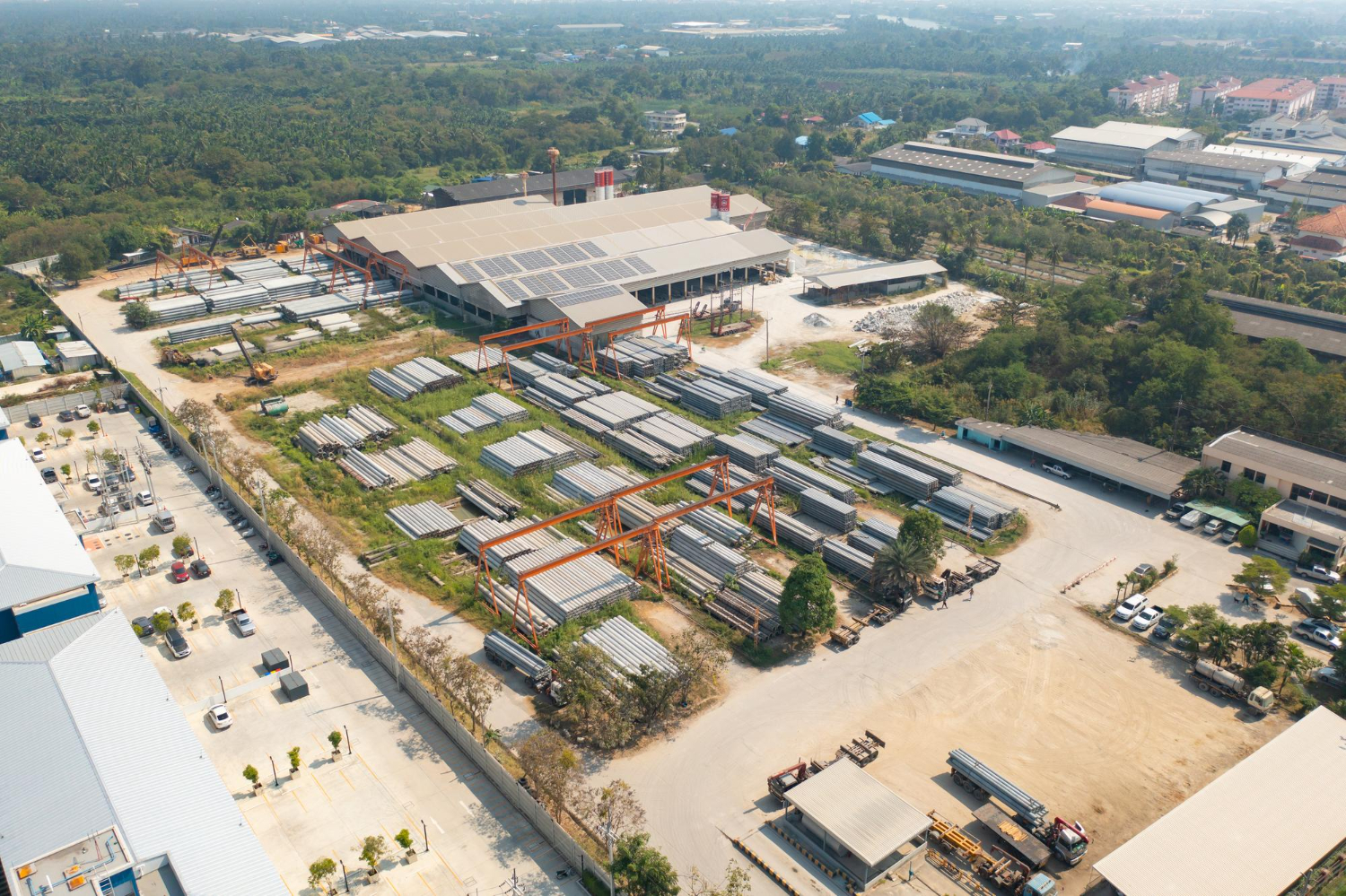
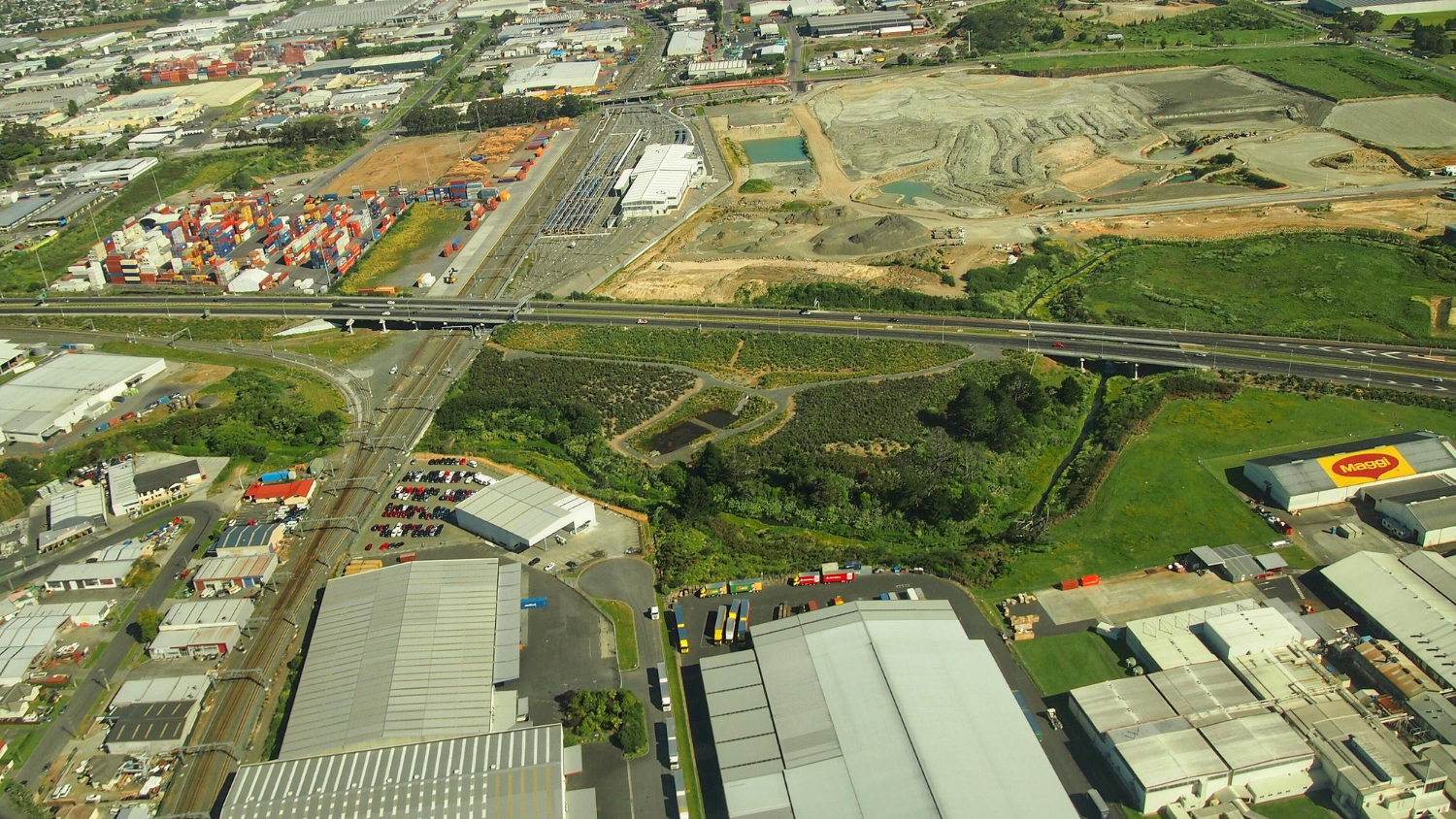
To support these operations, companies are increasingly establishing large-scale Logistics Park developments. These parks combine multiple logistics facilities within a single integrated environment, improving operational efficiency and reducing transportation delays.
Why Strategic Location Matters
Location is one of the most important factors when establishing a warehouse. Warehouses must be positioned in areas that allow quick access to major transportation routes and urban markets.
Important factors influencing warehouse location include:
- Proximity to highways and transport corridors
- Access to ports, airports, and rail networks
- Connectivity to urban consumer markets
- Availability of large industrial land parcels
- Infrastructure support for logistics operations
Cities with strong infrastructure and industrial ecosystems are emerging as preferred warehousing hubs. As a result, demand for industrial land for sale in Chennai has increased significantly. Chennai offers several advantages such as a major port, strong road connectivity, and well-developed industrial corridors, making it an attractive destination for logistics investments.
Rise of E-commerce Fulfillment Centers
Traditional warehouses were designed primarily for long-term storage. However, e-commerce fulfillment centers are built to handle fast-moving inventory and high order volumes.
Fulfillment centers typically include:
- Automated sorting and packaging systems
- High-capacity storage racks
- Dedicated shipping and dispatch zones
- Technology-driven inventory tracking systems
- Efficient order picking and processing areas
These facilities enable businesses to process thousands of orders daily with minimal delays. To accommodate such operations, companies are increasingly investing in large parcels of industrial land for sale in Chennai and other major logistics hubs to build advanced fulfillment centers.
Demand for Large-Scale Warehousing Infrastructure
The scale at which e-commerce companies operate today requires significantly larger warehouse spaces compared to traditional retail businesses. Businesses must manage vast inventories while maintaining the ability to quickly dispatch products.
Large-scale warehouse developments typically feature:
- High-ceiling storage systems for maximum capacity
- Wide loading bays for truck movement
- Dedicated distribution and transportation zones
- Integrated technology infrastructure
- Large operational spaces for automation systems
This demand has led to the development of industrial clusters specifically designed for logistics and supply chain operations. Such clusters help companies manage their distribution networks more efficiently.
Technology Transforming Warehousing
Technological advancements are revolutionizing the way warehouses operate. Automation and data-driven systems are helping businesses improve efficiency while reducing operational costs.
Common technologies used in modern warehouses include:
- Robotic picking systems
- Automated conveyor belts
- AI-based demand forecasting tools
- Warehouse management software
- Real-time inventory tracking systems
These technologies allow businesses to manage large inventories while maintaining accuracy and speed in order fulfillment.
Future of Warehousing in the E-commerce Era
The continued growth of online retail is expected to drive further demand for warehousing infrastructure in the coming years. Businesses will increasingly focus on building efficient distribution networks capable of supporting faster deliveries and higher order volumes.
Future trends shaping warehouse development include:
- Greater adoption of automation and robotics
- Expansion of regional distribution hubs
- Development of integrated logistics infrastructure
- Increased demand for large industrial spaces
- Growth of organized warehousing ecosystems
Final Takeaways
Integrated developments such as a Logistics Park are likely to play a major role in supporting the next phase of e-commerce growth. These facilities bring together warehousing, transportation, and supply chain services in a single ecosystem, enabling businesses to streamline operations and reduce delivery timelines.
As e-commerce continues to expand, the demand for well-planned warehouse infrastructure will only increase. Companies that invest in strategic logistics locations and modern warehousing facilities will be better positioned to meet evolving consumer expectations and remain competitive in the rapidly growing digital economy.