Introduction
India’s economic landscape is rapidly evolving, and at the heart of this transformation is a robust shift toward self-reliance in manufacturing. The ‘Make in India’ initiative, launched by the Government of India, aims to position the country as a global hub for manufacturing and innovation. While policy reforms, technology adoption, and foreign investments play significant roles in this mission, a lesser-discussed yet foundational element is gaining prominence — the development of Industrial Logistic Parks.
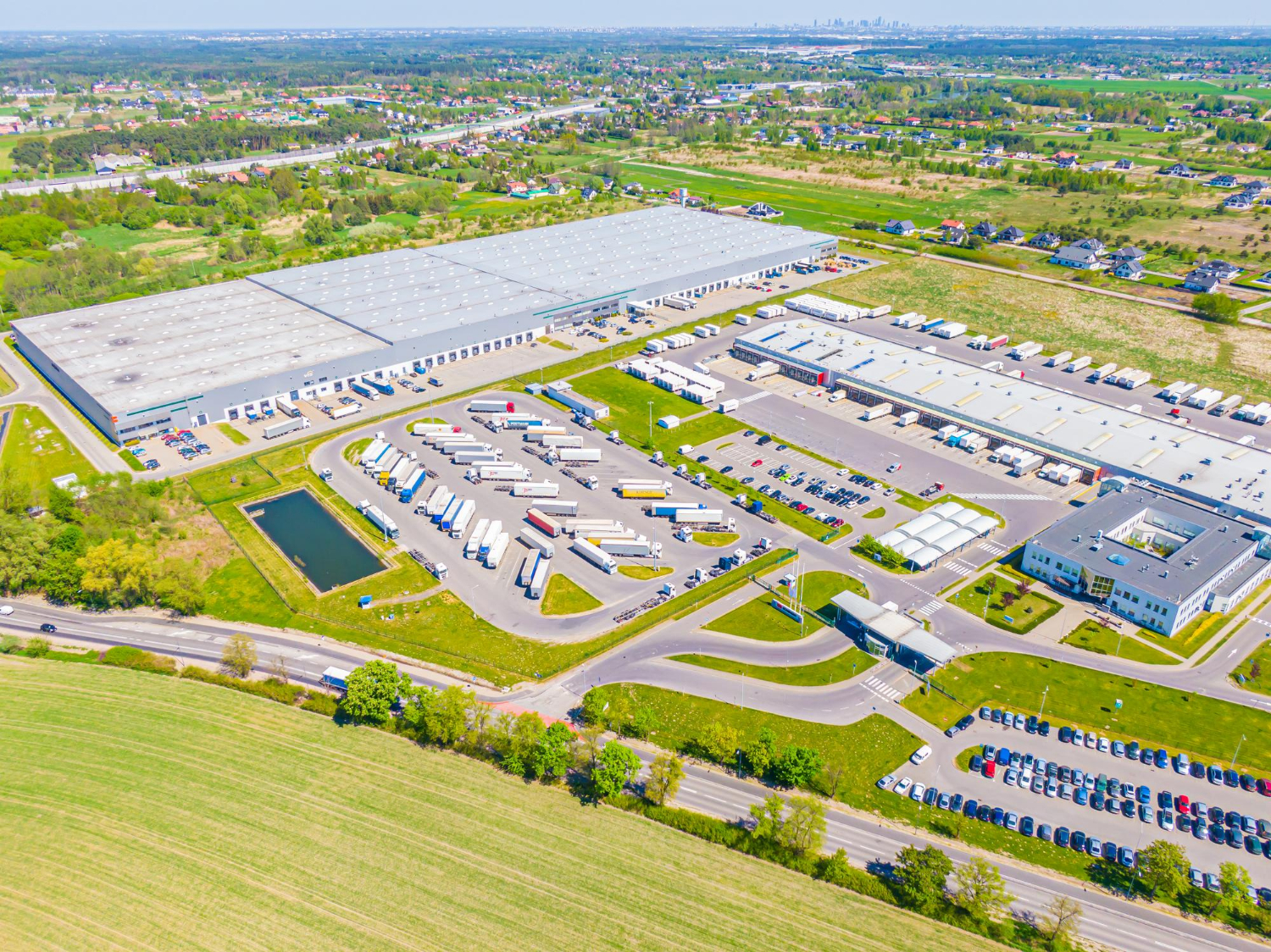
These purpose-built spaces are not just clusters of warehouses and factories; they represent the future of India’s industrial infrastructure. With integrated utilities, seamless connectivity, and strategic positioning, Industrial Logistic Parks are laying down the groundwork for efficient production and distribution, enabling businesses of all sizes to thrive under the ‘Make in India’ umbrella.
The Backbone of Modern Manufacturing
For India to succeed in becoming a global manufacturing powerhouse, infrastructure must evolve to support the demands of modern industry. This includes not only better roads and ports but also spaces designed to accommodate heavy-duty operations, logistics, and scalability.
Industrial Logistic Parks answer this need by offering plug-and-play solutions. They bring together warehousing, manufacturing zones, transportation hubs, and even office spaces into one cohesive ecosystem. This integrated setup allows manufacturers to reduce lead times, cut logistics costs, and operate more efficiently — a critical requirement for competing on a global scale.
These parks also encourage the use of smart technologies, like automation and AI-powered logistics management, which help streamline operations and improve supply chain resilience. With access to modern facilities, companies are more inclined to invest in setting up manufacturing bases within India, aligning perfectly with the ‘Make in India’ goal.
Why Industrial Plots Matter
While the concept of Industrial Logistic Parks sets the framework, it’s the availability of industrial plots for sale within these parks that makes them truly transformative. These plots provide manufacturers and investors with the flexibility to build according to their operational needs.
Businesses no longer need to scout for land, manage complex approvals, or wait for infrastructure development. Many industrial plots for sale come ready with essential utilities like power, water supply, sewage, and internet connectivity, eliminating one of the biggest entry barriers to manufacturing.
From textile units to electronics assembly lines, from FMCG production to warehousing needs, these plots serve a diverse range of industries. Their strategic location — often near highways, ports, and economic corridors — ensures easy movement of goods and better access to raw materials and markets.
Facilitating MSMEs and Large Enterprises Alike
The Make in India initiative isn’t just about inviting multinational corporations to manufacture in the country; it’s also about empowering local enterprises to grow and compete. For Micro, Small, and Medium Enterprises (MSMEs), industrial plots for sale within logistic parks offer an ideal entry point into larger industrial ecosystems.
MSMEs benefit from the shared infrastructure, lower setup costs, and proximity to other industrial units, which can foster collaboration and ease of doing business. On the other hand, large enterprises looking to scale up or diversify their operations can use these spaces to expand quickly without the hassle of land acquisition or development delays.
This democratization of industrial space ensures that businesses of all sizes have the opportunity to participate in India’s growth story.
Sustainable and Future-Ready
As sustainability becomes a global priority, Industrial Logistic Parks are also adapting. Many modern parks are incorporating green infrastructure — rainwater harvesting systems, solar panels, energy-efficient buildings, and waste management facilities — to reduce environmental impact. These eco-friendly initiatives not only comply with global standards but also appeal to environmentally conscious investors and businesses.
Moreover, digital infrastructure within these parks — including IoT-based monitoring, smart security, and automated logistics — is future-proofing Indian industry. The ability to plug into a tech-ready space means faster onboarding, better data management, and improved productivity.
State Support and Policy Incentives
Governments at both state and central levels are offering policy incentives to promote industrial development. Subsidies, tax benefits, single-window clearance systems, and industrial cluster development schemes are making industrial plots for sale more accessible and attractive than ever before.
States like Tamil Nadu, Gujarat, Maharashtra, and Telangana are leading the charge, setting up mega industrial parks that offer not just land but also long-term support for industries. These parks often cater to specific sectors like electronics, textiles, or food processing, creating specialized ecosystems that promote industry-specific growth.
Conclusion:
The future of Make in India rests not just on bold slogans or investment figures, but on ground-level infrastructure that empowers manufacturers to set up, scale, and succeed. Industrial Logistic Parks are becoming the launchpads for this transformation — offering businesses the space, support, and speed needed to thrive in a competitive global market.
By ensuring easy access to industrial plots for sale, India is removing a key hurdle in the path of industrial expansion. These developments are not merely real estate opportunities; they are catalysts for economic empowerment, job creation, and national progress.
As more businesses choose to manufacture in India, these parks will be the foundation upon which the next chapter of India’s industrial revolution is built. The synergy between Make in India and Industrial Logistic Parks is unmistakable — and the momentum is only growing