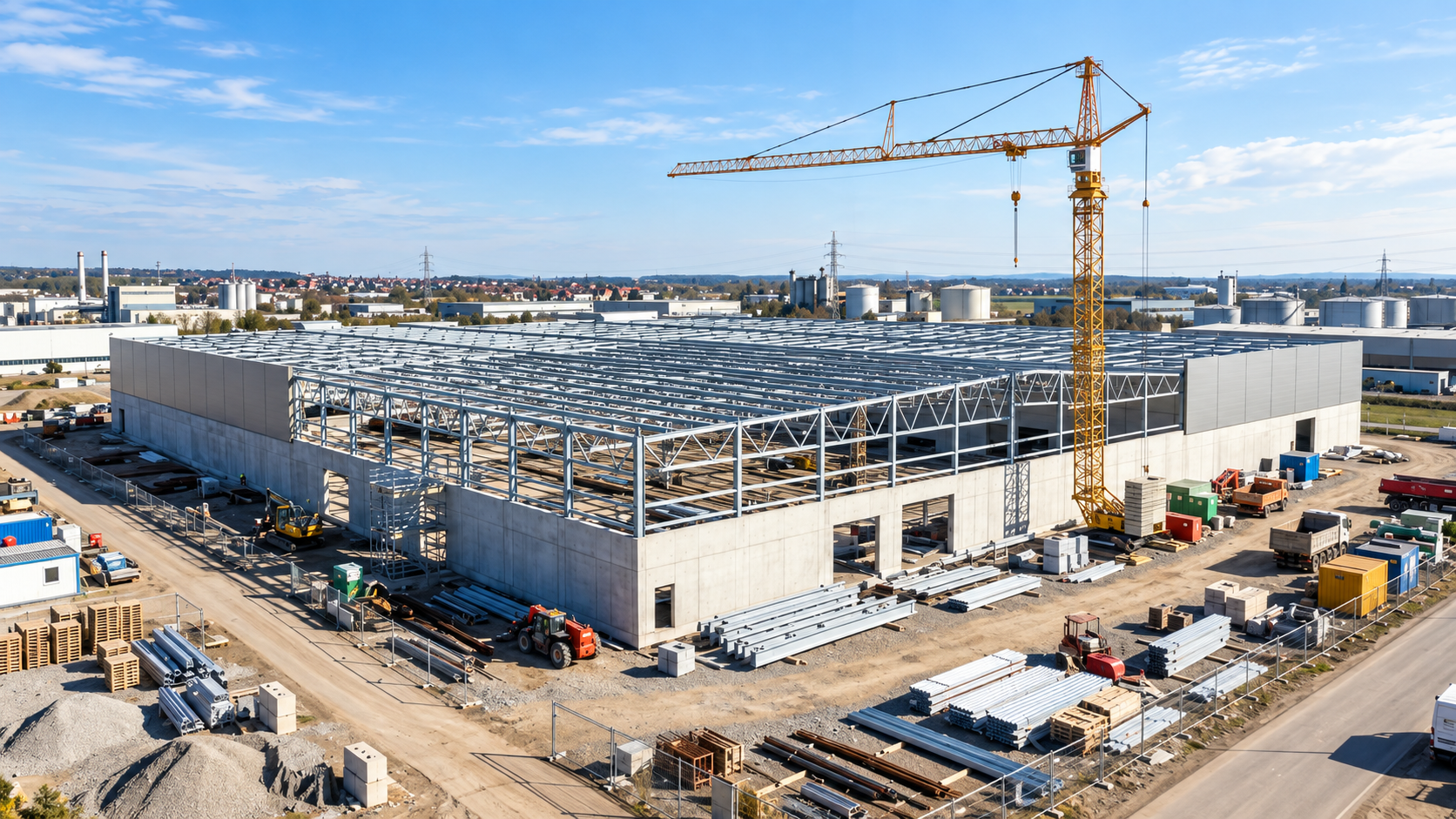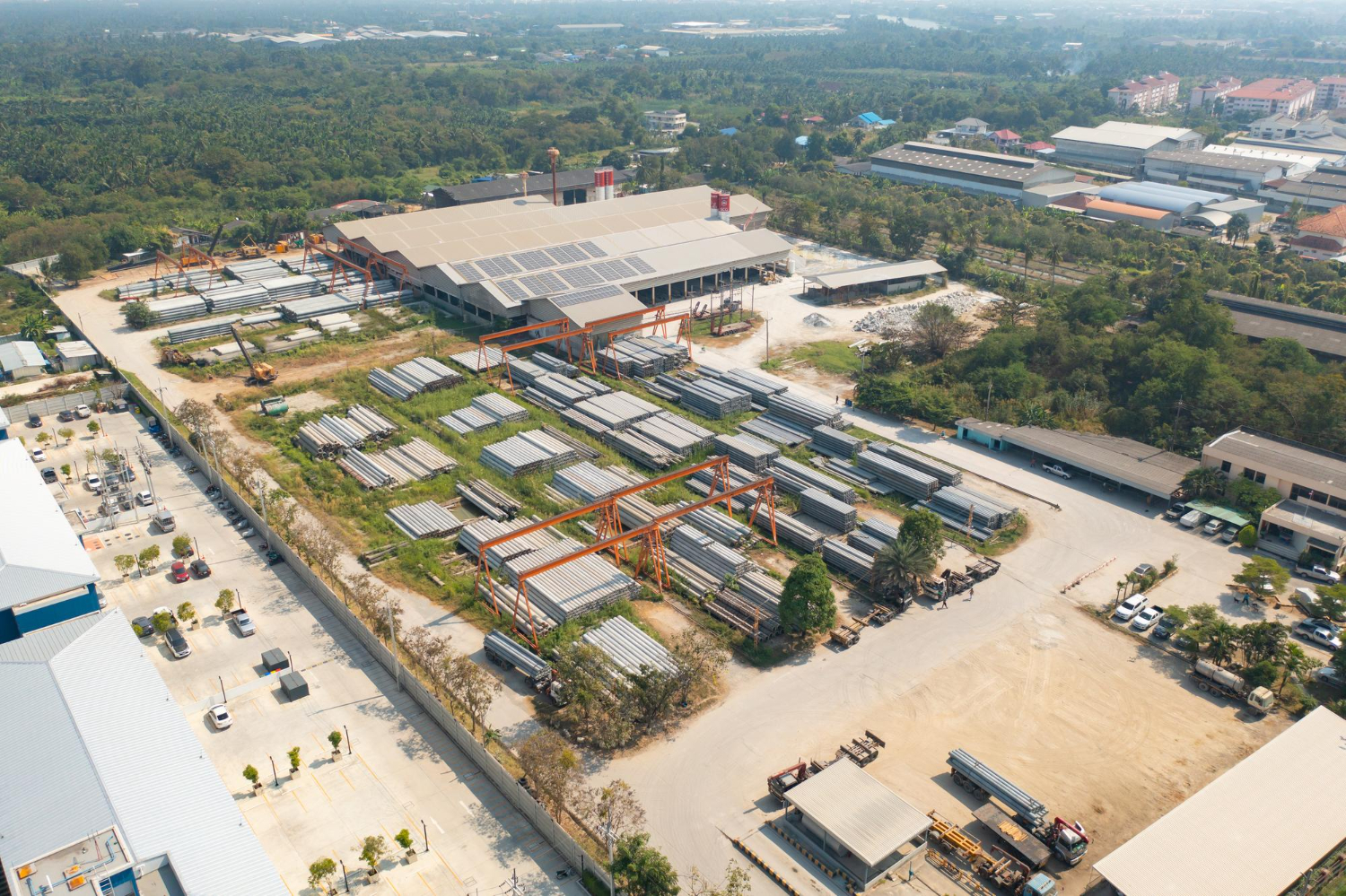
India’s industrial landscape is evolving rapidly, driven by structured planning and strong policy support. At the heart of this transformation is the Industrial Park, which has become a key enabler for manufacturing growth, logistics efficiency, and economic expansion. Instead of scattered industrial activity, businesses today prefer organized ecosystems that offer infrastructure, connectivity, and regulatory ease.
Government initiatives have played a decisive role in shaping these developments. From funding support to policy reforms, authorities are actively encouraging the creation of industrial zones that attract both domestic and global investors. These efforts are not only strengthening industries but also generating employment and boosting regional development.
Why Industrial Parks Matter Today
An Industrial Park is designed to provide businesses with everything they need in one location. This reduces operational challenges and improves efficiency.
Key advantages include:
- Ready infrastructure such as roads, power, and water supply
- Proximity to transport networks like highways and ports
- Reduced setup time for industries
- Shared facilities that lower operational costs
- Improved compliance through planned layouts
Key Union Government Schemes Supporting Industrial Parks
The Government of India has introduced several major initiatives that directly support industrial park development.
1. National Industrial Corridor Development Programme
This is one of the most ambitious initiatives aimed at developing large industrial corridors across the country.
Key highlights:
- Development of industrial nodes along dedicated freight corridors
- Creation of smart industrial cities
- Integrated infrastructure including roads, power, and logistics
- Strong focus on export-oriented manufacturing
These corridors act as growth engines and significantly increase the value and efficiency of every Industrial Park developed along them.
2. Make in India Initiative
This flagship program focuses on boosting manufacturing and attracting foreign investment.
How it supports industrial parks:
- Encourages global companies to set up manufacturing units
- Promotes sector-specific industrial clusters
- Simplifies policies for industrial development
- Strengthens infrastructure through public investment
3. Production Linked Incentive Scheme
The PLI scheme provides financial incentives to manufacturers in key sectors.
Impact on industrial parks:
- Drives demand for ready industrial infrastructure
- Encourages large-scale manufacturing units
- Supports sector-specific industrial zones
- Boosts investment in electronics, automotive, and pharma sectors
4. PM Gati Shakti National Master Plan
This is a multi-modal infrastructure initiative designed to improve connectivity across India.
Key benefits for industrial development:
- Integrated planning of roads, railways, ports, and airports
- Reduced logistics costs
- Faster movement of goods
- Improved access to industrial zones
5. India Industrial Land Bank (IILB)
A digital platform that provides information on available industrial land across the country.
Key features:
- GIS-based mapping of industrial land
- Real-time data on infrastructure and connectivity
- Simplified site selection for investors
- Increased transparency in land allocation
This platform plays a crucial role in promoting Industrial Plots for Sale by making them more discoverable and accessible.
Tamil Nadu Government Initiatives Supporting Industrial Parks
Tamil Nadu stands out as one of India’s most industrialized states, thanks to its strong policy framework and proactive governance.
1. SIPCOT Industrial Park Development
The State Industries Promotion Corporation of Tamil Nadu is the backbone of industrial infrastructure in the state.
Key contributions:
- Development of over 50 industrial parks across 24 districts
- Focus on medium and large-scale industries
- Creation of employment and regional growth
- Availability of ready-to-use industrial land
SIPCOT has played a major role in making Tamil Nadu a preferred destination for industries by providing structured and well-connected industrial zones.
2. SIDCO Industrial Estates
Like how SIPCOT focuses on large industries, SIDCO focuses on MSMEs.
Key features:
- Development of industrial estates for small businesses
- Affordable land allocation
- Infrastructure support for startups and SMEs
- Promotion of cluster-based development
This ensures balanced industrial growth across different scales of businesses.
3. Tamil Nadu Industrial Policy 2021
This policy aims to position Tamil Nadu as a global manufacturing hub.
Key highlights:
- Incentives for new industrial investments
- Support for sector-specific parks
- Promotion of export-oriented industries
- Focus on innovation and technology adoption
The policy encourages both domestic and international players to invest in industrial parks across the state.
4. Single Window Clearance System
Tamil Nadu has a highly efficient approval mechanism for industries.
Key benefits:
- Faster approvals for setting up industries
- Reduced bureaucratic delays
- Online application and tracking
- Improved ease of doing business
This system makes it easier for companies to acquire land and start operations quickly.
5. Land Bank and Expansion Plans
The state is actively expanding its industrial footprint.
Key developments:
- Creation of large land banks for future industrial use
- Development of new parks across multiple districts
- Focus on backward and emerging regions
- Continuous infrastructure upgrades
This ensures a steady supply of land for industrial expansion.
Sector-Specific Parks in Tamil Nadu
Tamil Nadu is also focusing on specialized industrial parks to support key industries.
Examples include:
- Electronics manufacturing clusters in Sriperumbudur
- Automotive hubs in Oragadam
- Textile parks in southern districts
- Emerging EV and aerospace parks
These sector-focused developments create strong ecosystems that improve productivity and innovation. The availability of Industrial Plots for Sale within such ecosystems makes it easier for companies to establish customized facilities.
Growing Importance of Chennai Region
Chennai continues to be a major industrial hub in South India. The demand for Industrial land in Chennai is rising due to several factors:
- Presence of major ports and highways
- Strong automobile and electronics ecosystem
- Proximity to industrial corridors
- Availability of developed industrial parks
Conclusion
Government initiatives at both central and state levels are transforming industrial development into a structured and opportunity-rich ecosystem. From national programs like Make in India and PM Gati Shakti to Tamil Nadu’s strong SIPCOT-led development model, every effort is focused on enabling faster and more efficient industrial growth.
These initiatives create a reliable foundation for many businesses. Industrial land in Chennai is becoming the choice for many businesses for investment and operations of industrial parks. As policies continue to evolve and infrastructure improves, industrial parks will remain a key driver of economic progress and long-term industrial success.